
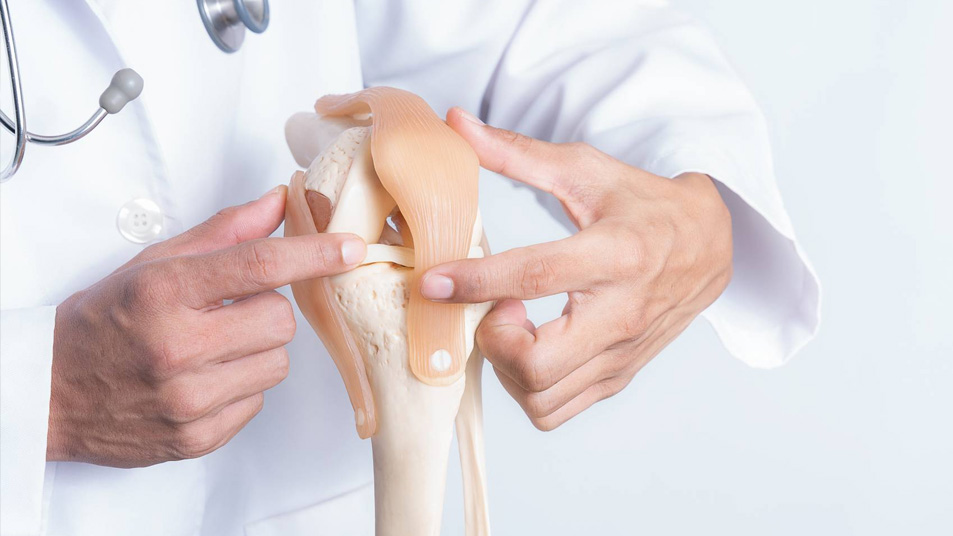
Orthopedic Surgery
Orthopedic surgery, also known as Orthopedics, is a medical specialty focused on the musculoskeletal system, which includes bones, joints, ligaments, tendons, muscles, and nerves. Orthopedic surgeons diagnose, treat, and prevent conditions affecting this system, often using both surgical and non-surgical methods.
Purpose of Orthopedic Surgery :
It is done to repair injuries (like fractures or torn ligaments) Treat chronic conditions (like arthritis) Correct deformities (like scoliosis or clubfoot) Replace damaged joints (like hip or knee replacements).
Types of Orthopedic Surgeries :
Joint Replacement Surgery (e.g., total hip or knee replacement)
Arthroscopy (minimally invasive surgery using a camera to treat joint issues)
Fracture Repair (using metal plates, screws, or rods).
Spinal Surgery (like discectomy or spinal fusion).
Ligament Reconstruction (e.g., ACL reconstruction in the knee) .
Carpal Tunnel Release (for compressed nerves in the wrist).
Hip. Knee. Hand and wrist. Foot and ankle. Spine. Shoulder and elbow.
In which conditions the Orthopedic Surgery is to be Done :
Orthopedic surgery is performed to treat various conditions affecting the bones, joints, muscles, ligaments, tendons, and nerves. Here are the key conditions where orthopedic surgery may be necessary :
Orthopaedic surgery helps treat or manage the following conditions :
Fractures and Trauma
Severe or complex bone fractures
Dislocated joints not responding to non-surgical methods
Crush injuries or multiple bone injuries
Non-healing fractures (nonunion) or improperly healed ones (malunion)
Joint Diseases
Osteoarthritis (wear-and-tear of joints)
Rheumatoid arthritis (autoimmune joint inflammation)
Gouty arthritis
Septic arthritis (infected joint)
Common surgeries : Total joint replacement (knee, hip, shoulder), arthroscopy
Spinal Conditions
Herniated or slipped disc
Spinal stenosis (narrowing of the spinal canal)
Scoliosis or kyphosis
Degenerative disc disease
Vertebral fractures
Common surgeries : Spinal fusion, laminectomy, discectomy
Sports Injuries
Torn ligaments (e.g., ACL tears)
Meniscal tears in the knee
Rotator cuff tears
Tendon ruptures (e.g., Achilles tendon)
ommon surgeries : Arthroscopic ligament/tendon repair
Congenital or Developmental Disorders
Clubfoot
Hip dysplasia
Limb length discrepancies
Scoliosis in children
Bone Infections and Tumors
Osteomyelitis (bone infection)
Benign or malignant bone tumors (e.g., osteosarcoma)
Chronic Pain and Mobility Issue
When conservative treatments (medications, therapy) fail
Significant impairment in daily activities
What happens during Orthopaedic surgery :
On the day of your surgery, you’ll enter a healthcare setting, which is usually a hospital. A provider will help prepare you for surgery by taking your vitals and giving you IV fluids or medications as needed. You’ll need to take off all jewelry and clothing and change into a hospital gown that’ll be provided for you. Then, your healthcare team will transport you to an operating room so they can begin the surgery.
In the operating room on the day of your surgery, an anesthesiologist will administer anesthesia to make you fall asleep and not feel any pain. Once you’re asleep, your surgeon will begin the procedure.
The steps that your surgeon will take during your procedure vary based on the reason for your surgery. They’ll start by making a small incision in your skin using surgical tools. For common Orthopaedic procedures, they may need to:
Repair a broken bone or fracture with screws, pins, rods or plates to make sure your bone heals correctly.
Remove damaged ligaments and replace them with either healthy tissue from another part of your body or use a graft from a donor.
Place metal or plastic caps on a bone in your joint to repair damage caused by arthritis.
Your surgeon will explain everything that they plan to do during the procedure and how they plan on doing it during your consultation.
When your surgeon completes the procedure, they’ll stitch up any openings that they made in your skin and wrap up your surgical site with a bandage.
Advantages of Orthopaedic surgery :
There are several advantages of Orthopaedic surgery. It can :
Reduce pain.
Increase the function of part of your body.
Improve range of motion.
Fix breaks or fractures.
Remove damaging tumors.
Recovery Period after surgery :
What is the recovery time for Orthopaedic surgery?
The amount of time it’ll take for your body to heal after Orthopaedic surgery varies based on the procedure. It can take a few weeks to several months. Your surgeon will discuss your recovery time and what you can do to help your body heal.
On average, healing times for common Orthopaedic surgeries include :
Nine months for ACL surgery.
Three months for bone fracture surgery.
Three months for knee replacement surgery.
Period of Regular activities to be continued after Surgery :
Depending on the type of surgery you had, your provider will advise you on what activities you can and can’t do. They’ll provide these instructions to you before and after surgery, so you can prepare for your recovery and ask for assistance from family and friends or caregivers during your healing process.
You should avoid participating in any strenuous activities, contact sports or heavy lifting after your surgery. For sports injury surgeries, it can take between six to nine months before you can go back to the field or court. It’s important to follow your provider’s instructions after surgery - overusing part of your body that should be resting can affect how you heal. This can lead to injuries, infections and possible repeat surgeries in the future.
When To Call the Doctor?
When should I see a healthcare provider?
Visit a healthcare provider if you have the following symptoms after surgery :
A fever.
Swelling.
Color changes to your skin.
Severe pain.
Fluid or blood draining from the incision.
Aparant Hospital Healthcare Professionals will schedule appointments to monitor how your body is healing after surgery. If you experience any complications from surgery in between these appointments, call the doctor at Aparant Hospital immediately.