
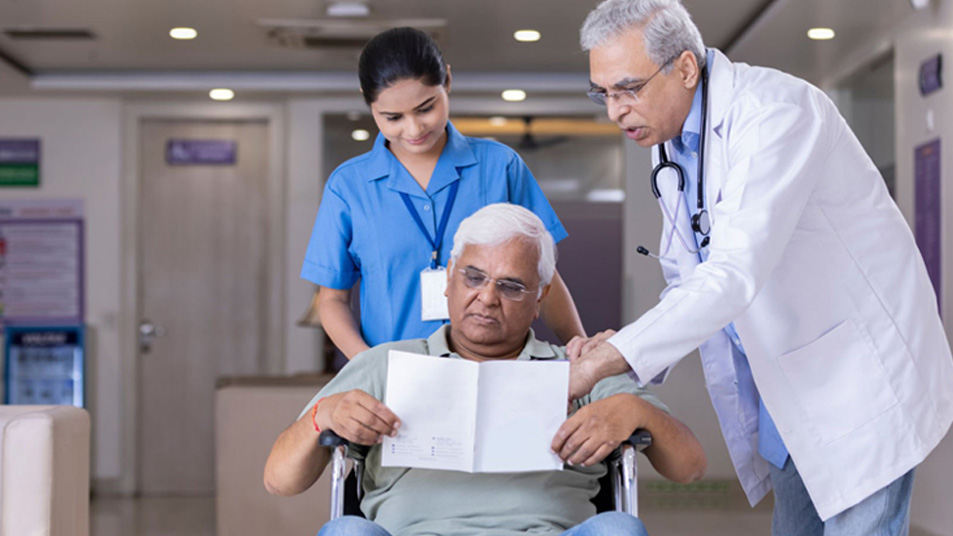
What is Geriatric clinic?
A Geriatric Clinic is a medical facility or department that specializes in the healthcare of elderly patients, typically those aged 60 or 65 and above. The goal is to address the unique health needs of older adults, which often include multiple chronic conditions, physical and cognitive decline, and complex medication regimens.
Services offered in Geriatric care at Aparant Hospital :
Services Offered in Geriatric Care typically focus on the comprehensive health and well-being of elderly individuals. These services are designed to address the physical, mental, emotional, and social needs of aging patients.
Common services include :
Medical Services :
Comprehensive Geriatric Assessment (CGA) - Evaluation of physical health, functional status, cognitive ability, emotional well-being, and social support.
Chronic Disease Management - For conditions like diabetes, hypertension, arthritis, heart disease, and COPD.
Medication Management - Reviewing prescriptions to avoid drug interactions or over medication.
Specialist Consultations - Neurology (dementia), orthopedics (osteoporosis), cardiology, etc.
Cognitive and Mental Health Services :
Screening for Dementia & Alzheimer’s
Depression and Anxiety Management
Behavioral Therapy & Counseling
Support for Caregivers
Rehabilitation and Support Services :
Physiotherapy & Occupational Therapy - To improve mobility, strength, and independence.
Speech and Language Therapy
Pain Management Programs
Fall Risk Assessment and Prevention Programs
Home and Community-Based Services :
Home Visits by Doctors/Nurses
Home Health Aides for Daily Living Activities
Palliative and Hospice Care
Telemedicine and Remote Monitoring
Nutritional and Social Services :
Dietary and Nutritional Counseling
Meals-on-Wheels Programs
Social Engagement Programs
Day Care and Respite Care Services
Staff involvement in a Geriatric Clinic :
In geriatric care, hospital staff play a vital role in ensuring the health, safety, and well-being of older adults. Their involvement is typically multidisciplinary, meaning various professionals work together to address the complex medical, psychological, and social needs of elderly patients.
Geriatricians (doctors trained in elderly care) - Specialize in elderly health issues. Diagnose and manage multiple chronic conditions. Coordinate care and medication management.
Nurses and nurse practitioners - Monitor vital signs and patient condition. Administer medications. Provide daily care and support. Educate patients and families on care routines.
Physiotherapists - Help improve mobility, balance, and physical strength. Design rehabilitation programs after falls or surgery.
Occupational therapists - Assist patients in performing daily living activities. Recommend adaptive devices and home modifications.
Psychologists or psychiatrists - Manage cognitive disorders like dementia and depression. Provide behavioral therapies or medications as needed.
Palliative Care Specialists - Provide comfort-focused care for serious illnesses. Support pain and symptom management, especially in terminal cases.
Dietitians / Nutritionists - Assess and plan nutritional needs. Address malnutrition, dietary restrictions, and feeding problems.
Social Workers - Address psychosocial issues (e.g., isolation, family dynamics). Help in planning discharge, home care, or long-term care. Provide counseling and access to community resource