
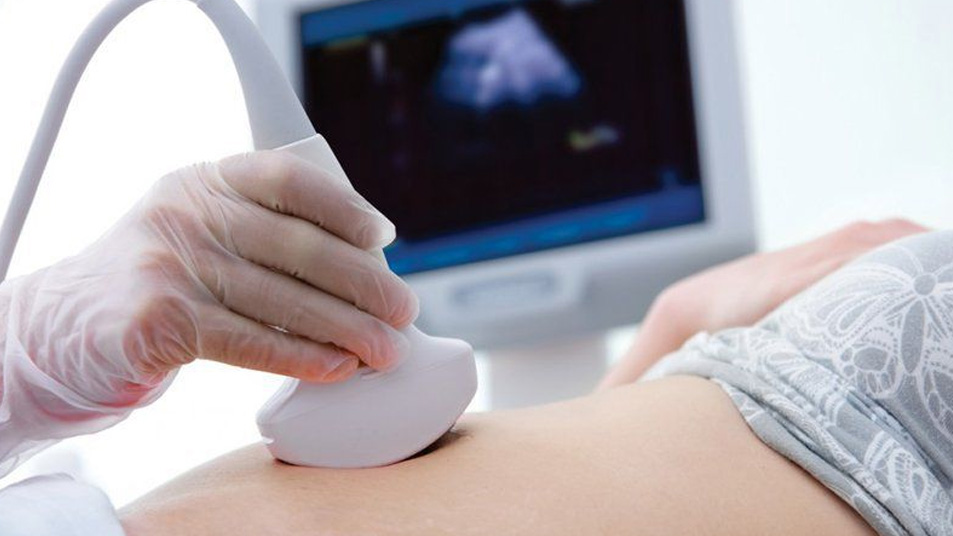
A specialist ultrasound examination called fetal echocardiography is done during pregnancy to assess the position, size, structure, function, and rhythm of the developing baby's heart. During a regular prenatal ultrasound, an obstetrician can get a restricted view of the baby's heart. A fetal echocardiogram offers a thorough assessment of the baby's heart by a fetal echocardiography specialist.
When is Fetal Echocardiography Done :
Fetal cardiography is usually performed between 18-24 weeks of pregnancy. It may be recommended if :
There is a family history of congenital heart disease.
The mother has diabetes, lupus, or other autoimmune diseases.
The pregnancy was achieved through IVF.
Abnormalities in the fetal heart were detected during routine ultrasounds.
There are signs of growth restriction or irregular fetal heartbeat.
Exposure to medications or substances known to increase the risk of heart defects.
Procedure of Fetal cardiography :
A transabdominal or transvaginal probe emits sound waves to produce a detailed image of the fetal heart. Doppler imaging measures blood flow within the heart to detect irregularities. M-mode and 2D imaging capture heart movements and structures in real-time. In some cases, 3D/4D echocardiography may be used to provide a more comprehensive view.
What Conditions can be diagnosed through Fetal cardiography :
Congenital heart defects (e.g., atrial or ventricular septal defects).
Arrhythmias (abnormal heart rhythms).
Hypoplastic heart syndrome (underdeveloped heart chambers).
Tetralogy of Fallot and other complex heart malformations.
Valve problems, such as aortic or pulmonary stenosis.
Benefits of Fetal Echocardiography :
Fetal echocardiography is a specialized ultrasound used to assess the heart of a developing fetus. It is typically performed during the second trimester of pregnancy and offers numerous benefits, particularly in high-risk pregnancies or when abnormalities are suspected.
Fetal echocardiography plays a critical role in ensuring the health of the fetus by providing early and detailed information about heart development.
Early Detection of Heart Abnormalities :
Congenital Heart Defects (CHDs) : Fetal echocardiography helps detect structural heart defects like septal defects (holes in the heart), valve abnormalities, and other congenital heart diseases.
Arrhythmias : It can identify fetal heart rhythm disturbances such as tachycardia or bradycardia, allowing for timely interventions.
Guidance for Prenatal Management :
If a heart abnormality is detected, fetal echocardiography provides essential information for planning the pregnancy and delivery.
For certain heart defects, prenatal treatment (such as medications for arrhythmias) can be initiated to manage the condition before birth.
Delivery Planning :
Knowing about a heart condition ahead of time allows for the planning of delivery at a facility with specialized neonatal care, ensuring the newborn gets the necessary medical or surgical treatment immediately after birth.
Parental Counseling and Preparation :
Early diagnosis helps healthcare providers counsel parents on the prognosis, treatment options, and long-term outcomes. This gives the family time to emotionally and logistically prepare for the future, including coordinating with pediatric cardiologists or surgeons.
Improved Outcomes :
In many cases, early diagnosis of heart defects improves the chances of a successful outcome by ensuring that appropriate treatment is available at birth. Newborns with identified heart defects can receive immediate specialized care, which can be life-saving.
Assessment of Associated Conditions :
Fetal echocardiography can help in assessing whether a heart defect is isolated or part of a larger syndrome, which might include genetic disorders or chromosomal abnormalities such as Down syndrome.
Reassurance for Low-Risk Cases :
For families at risk of congenital heart disease, but where no abnormality is found, fetal echocardiography can provide reassurance and reduce anxiety during pregnancy.
Who Needs a Fetal Echocardiogram :
Some women are more likely to give birth to a child who has congenital heart disease. Referrals for fetal echocardiograms should be considered for these patients. Among the indications are the following:
Suspected fetal cardiac anomalies from a standard obstetric ultrasonography.
Family history (first degree relative) of CHD.
Abnormal fetal heart rate or rhythm.
Abnormality of another major organ system.
Twin-to-twin transfusion syndrome.
Insulin-dependent diabetes mellitus.
Sjogren's syndrome or lupus (particularly when ssA or ssB antibodies are present).
Early pregnancy exposure to certain medications, such as anti-epileptic medications.
Hydrops
Increased nuchal translucency on a first-trimester screening.
Chromosomal abnormalities associated with CHD.
How to prepare for a Fetal Echocardiogram?
A fetal echocardiogram is a specialized ultrasound that allows doctors to examine the heart of a developing baby in the womb. It's typically done during the second trimester (around 18-24 weeks) and is used to detect congenital heart defects or monitor specific pregnancy conditions.
Consult Your Doctor :
Understand why your doctor has recommended a fetal echocardiogram, whether it’s routine or based on risk factors like family history, maternal conditions (e.g., diabetes), or abnormal findings in a regular ultrasound.
Make a list of any concerns or questions about the procedure, including what the results might mean.
Scheduling the Appointment :
The procedure is usually done between 18-24 weeks of pregnancy, but your doctor will guide you on the timing.
Plan for the appointment to take around 30 minutes to 2 hours, depending on how cooperative the baby is during imaging.
Diet and Hydration :
Unlike some other prenatal tests, you don't need to fast before a fetal echocardiogram. You can eat and drink normally.
Drinking water before the test can help improve ultrasound imaging, as a full bladder might create better conditions for viewing, but it’s usually not a strict requirement for this test.
What to Wear :
Wear loose-fitting, comfortable clothing that allows easy access to your abdomen. You may be asked to lie down for an extended period, so wearing something comfortable will help.
Consider Bringing a Support Person :
You might want to bring a partner, family member, or friend for emotional support, especially if you are feeling anxious.
When Will I Receive Results?
A pediatric cardiologist will visit with the family on the same day as the pediatric cardiac sonographer completes the test to go over the findings. The doctor will talk about the prognosis and available treatments if the infant does have congenital heart disease. Every patient will have a plan, and any necessary follow-up testing will be planned.
The referring physician will be faxed a complete report on the same day as the fetal echocardiography.