
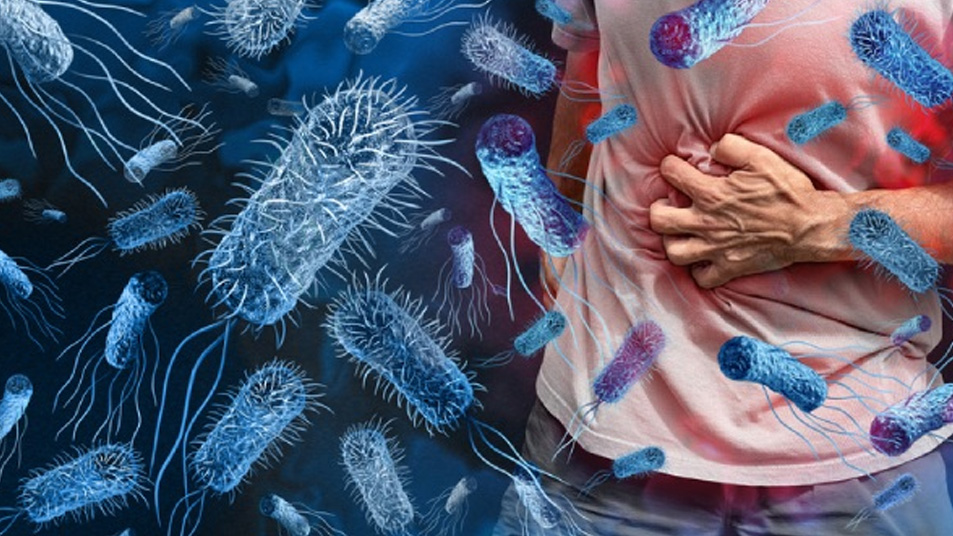
Indigestion is a frequent digestive issue that can lead to upper abdominal discomfort, heartburn, bloating, and nausea. Prokinetics are used to assist digestion, proton pump inhibitors or H2 blockers are used to lessen the generation of acid, and antacids are used to neutralize stomach acid. Additionally beneficial are lifestyle modifications such eating smaller meals, avoiding fatty and spicy foods, managing stress, and not lying down right after eating.
Poisoning is a medical emergency brought on by ingesting, breathing in, or coming into touch with dangerous substances. Vomiting, disorientation, trouble breathing, or unconsciousness are some of the symptoms. Identifying the toxin, contacting emergency services, and avoiding home cures such making vomiting unless prescribed are all part of immediate treatment. Activated charcoal, antidotes, IV fluids, oxygen, and in extreme situations, stomach lavage and dialysis, are all possible treatments in hospitals. In poisoning instances, prompt action is essential to preventing death or severe injury. In both cases, you should always get professional medical care right away.
Types of Indigestion Treatment :
Indigestion, or dyspepsia, is generally categorized based on cause and symptoms. It can be functional (non-ulcer) or linked to an underlying condition.
Functional (Non-Ulcer) Indigestion : Most prevalent kind with no discernible biochemical or structural anomalies. caused by dietary intolerance, stress, or inadequate stomach motility. nausea, bloating, upper stomach pain, and early fullness.
Acid-Related Indigestion : Caused by reflux into the esophagus or an overabundance of stomach acid. frequently associated with diseases such as gastritis or gastroesophageal reflux disease (GERD). regurgitation, chest pain, sour taste, and heartburn.
Ulcer-Related Indigestion : Connected To Duodenal Or Stomach Peptic Ulcers. Caused By Long-Term Nsaid Use Or An H. Pylori Infection. Nausea, Vomiting, And Burning Pain That Is Frequently Eased By Food Or Antacids.
Biliary Indigestion : Caused By Bile Duct Or Gallbladder Problems. Biliary Dyskinesia Or Gallstones. Indigestion, Nausea, And Right Upper Abdomen Pain Following Fatty Meals.
Types of Poisoning Treatment :
Types of Poisoning Treatment refer to the different methods used to manage and treat poisoning depending on the type of poison, how it entered the body, and the severity of symptoms. Here are the main types :
Supportive Care : keeps critical processes including blood pressure, heart rate, and respiration stable. includes symptom management, intravenous fluids, and oxygen therapy.
Decontamination : Eliminates Or Restricts The Poison's Absorption. Examples Include Skin Or Eye Cleansing, Gastric Lavage (Stomach Pumping), And Activated Charcoal.
Antidote Administration : employs particular medications to combat specific toxins. N-acetylcysteine for paracetamol poisoning, atropine for pesticide poisoning, and naloxone for opioid overdose.
Enhanced Elimination : Speeds up the removal of poison from the body. Examples: Hemodialysis, hemoperfusion, urinary alkalinization.
Psychological and Psychiatric Care : For intentional poisoning cases. Involves counseling, suicide prevention, and mental health support.
What Causes Indigestion :
Eating too much or too fast
Consuming spicy, fatty, or oily foods
Drinking excessive caffeine or alcohol
Stress and anxiety
Smoking
Acid reflux or GERD (stomach acid flowing back)
Peptic ulcers caused by Helicobacter pylori infection
Use of certain medications like NSAIDs and steroids
Gallbladder problems
Functional indigestion with no clear cause
What Causes Poisoning :
Swallowing harmful substances like chemicals, contaminated food, or medicines
Breathing in toxic gases or fumes (e.g., carbon monoxide, pesticides)
Contact with poisonous plants or chemicals through the skin
Animal bites or stings injecting toxins
Accidental ingestion by children of household products
Intentional overdose or poisoning
Food poisoning from bacteria or toxins in spoiled food
Environmental exposure to pollutants or contaminated water