
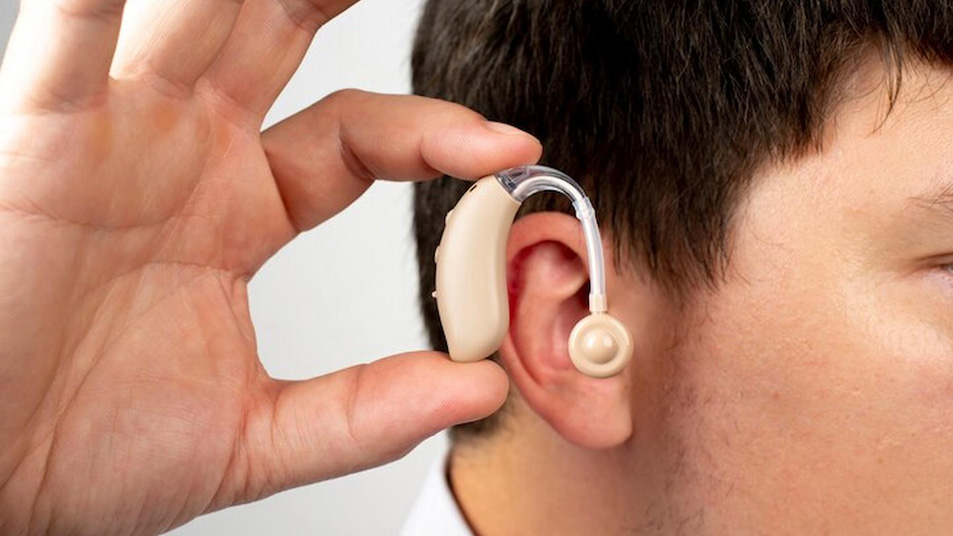
A hearing aid Centre is a place where individuals can receive specialized services related to hearing loss and the use of hearing aids. Hearing Aid centres play a crucial role in improving the quality of life for individuals with hearing loss by providing personalized care and support throughout their journey with hearing aids.
Here are some key aspects typically associated with a hearing aid Centre :
Hearing Tests : They provide comprehensive hearing evaluations conducted by audiologists or hearing instrument specialists to assess the extent and type of hearing loss.
Selection and Fitting : Based on the test results and individual needs, they help select the appropriate hearing aids from a variety of options and brands. The hearing aids are then custom-fit to ensure comfort and effectiveness.
Adjustments and Follow-ups : Regular adjustments and follow-up appointments are offered to fine-tune the hearing aids and address any issues that may arise.
Counseling and Education : They offer guidance on how to use and care for hearing aids, as well as information on managing hearing loss in various environments.
Accessories and Support : They may also provide accessories like batteries, cleaning tools, and assistive listening devices, along with ongoing support services.
Repair Services : Many centres offer repair services to fix issues with hearing aids promptly.
Technology Upgrades : They keep clients informed about advancements in hearing aid technology and may offer upgrades when necessary.
Benefits of Hearing Aid :
Hearing Aids play a crucial role in improving the auditory experience and quality of life for individuals with hearing loss, promoting greater independence and well-being. Hearing aids offer several benefits to individuals with hearing loss, improving their overall quality of life and communication abilities.
Hearing aids amplify sounds, making it easier for individuals to hear and understand speech, both in quiet environments and noisy situations.
Hearing aids enable individuals to engage more comfortably in conversations, participate more fully in daily activities, such as work, hobbies, and social gatherings, enhancing overall enjoyment of life.
Improved hearing through aids allows individuals to be more aware of their surroundings, including potential dangers like approaching vehicles or alarms.
Addressing hearing loss can reduce feelings of frustration, stress, and anxiety that often accompany difficulty in hearing and understanding speech.
Audiologists and hearing aid providers offer ongoing support, including adjustments, maintenance, and counseling, ensuring optimal performance and user satisfaction.
Working of Hearing Aid :
Hearing Aid, a compact electrical device is made to intensify the sound for those individual who have trouble in hearing. Overall, the primary goal of a hearing aid is to make sounds louder and clearer for individuals with hearing loss, thereby improving their ability to communicate and participate in daily activities.
The general operation of a Hearing Aid :
The microphone in the hearing aid picks up sounds from the environment. It converts these sound waves into electrical signals. The electrical signals from the microphone are sent to an amplifier. The amplifier increases the strength of these signals while also adjusting them based on the settings programmed by the audiologist to match the user's specific hearing needs. Once the signals are amplified, they are sent to a receiver (or speaker) inside the hearing aid. The receiver converts the electrical signals back into sound waves and delivers them into the ear canal.
Hearing aids are powered by batteries, which provide the necessary electrical energy for the device to function. Some hearing aids use disposable batteries, while others have rechargeable batteries. Modern hearing aids often include advanced signal processing technologies. These technologies can filter out background noise, enhance speech frequencies, and adapt to different listening environments automatically.
Hearing aids are typically customized to the individual wearer's needs. An audiologist evaluates the user's hearing through tests and adjusts the hearing aid settings accordingly. This ensures that the amplification provided by the hearing aid is appropriate for the user's specific hearing loss profile. Proper fitting of the hearing aid is crucial for its effectiveness. This includes ensuring the device sits comfortably in the ear or behind the ear, and that it provides clear sound without feedback or discomfort.
TYPES OF HEARING AIDS :
Hearing aids come in a wide variety of designs. Every kind has pros and cons of its own. The following considerations will help you choose the best hearing aid for you. The following considerations will help you choose the best hearing aid for you :
The degree of your hearing loss (mild, moderate, severe or profound).
The dimensions and form of your ear.
Your manual dexterity, or how well you can use your hands and fingers.
The accessibility of new technology for hearing aids.
Types of Hearing Aids :
Behind-the-Ear (BTE) : This style hooks over the top of your ear and rests behind the ear. A tube connects the hearing aid to a custom earpiece or earmold that fits inside the ear canal.
Receiver-in-Canal (RIC) or Receiver-in-the-Ear (RITE) : Similar to BTE but with a smaller casing and a speaker or receiver in the ear canal instead of the main body of the hearing aid behind the ear.
In-the-Ear (ITE) : These fill the outer part of the ear. They are custom-made to fit the shape of your ear canal and can vary in size.
In-the-Canal (ITC) : These are smaller than ITE aids and fit partly in the ear canal.
Completely-in-Canal (CIC) : These fit entirely within the ear canal and are the smallest type available. They are less visible but may have less battery life and fewer features due to their size.
Invisible-in-Canal (IIC) : These are the smallest and most discreet type of hearing aids. They sit deeper in the ear canal, making them almost invisible when worn.
Bone-Anchored Hearing Aids (BAHA) : These are surgically implanted devices that transmit sound through bone conduction rather than amplifying sound through the ear canal. They are used for individuals with certain types of hearing loss.
Number of factors like money, lifestyle choices, esthetic preferences, and the degree and kind of hearing loss depends on the type of hearing aid we choose. Consult an Audiologist to figure out which type of hearing aid suits best for the need.
Why choose Aparant Hospital?
At Aparant Hospital, qualified and experienced audiologists will take care of you as your care provider for hearing treatment.
Our solutions :
Expert Audiologists at Aparant Hospital make a thorough study about the state of your hearing and how it affects daily activities and the close ones or those around you. They give you personalized advice and assistance along with a custom-fitted hearing solution. You'll get free hearing tests, no-obligation in-store trials, and exclusive services as part of the Aparant Hospital experience. We offer to test our hearing aids and feel how much better your life may be using them.
Qualified Audiologists offer professional guidance and have access to the newest digital hearing aid technology from top manufacturers with cost-effective hearing aids.