
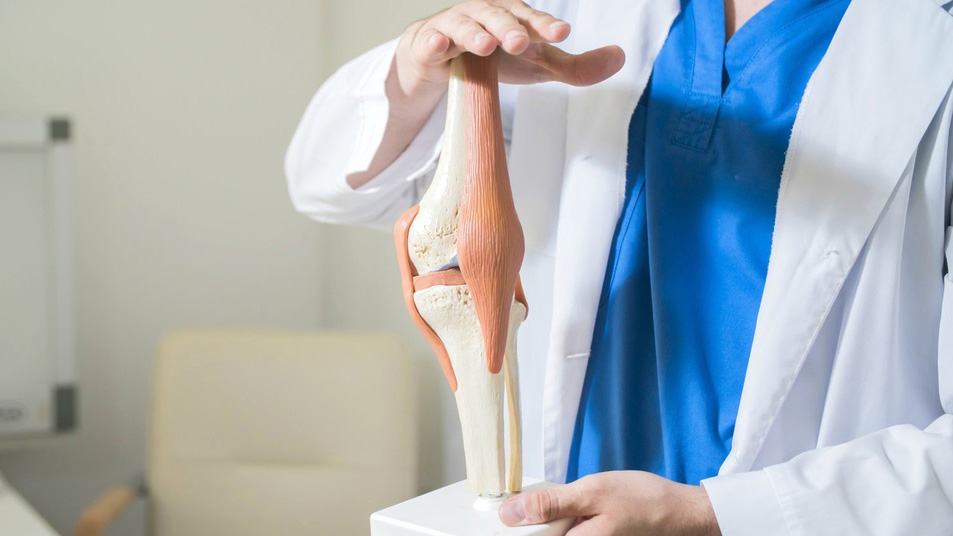
Joint Transplant (Joint Replacement surgery)
Arthroplasty, commonly known as joint replacement, is a surgical procedure where a damaged joint is replaced with an artificial implant. This procedure is often recommended for individuals suffering from severe joint pain or disability, typically caused by arthritis, injury, or degenerative conditions. The most commonly replaced joints include the hip, knee, and shoulder, although other joints, such as elbows and ankles, can also be replaced when necessary.
Types of Arthroplasty :
Arthroplasty is a surgical procedure to restore joint function by replacing or repairing a damaged joint, usually due to arthritis or injury. These types of arthroplasty vary based on the joint affected, patient age, and the severity of joint damage.
The primary types of arthroplasty include :
Total Joint Replacement (TJR) :
Involves replacing both sides of a joint, typically in the hip, knee, shoulder, or elbow. Metal, plastic, or ceramic components are commonly used as replacements.
Partial Joint Replacement :
Replaces only the damaged portion of a joint. Common in Unicompartmental knee arthroplasty, where only one side of the knee joint is replaced.
Hemiarthroplasty :
Involves replacing one half of the joint. Frequently performed on the hip, especially after a fracture, replacing the femoral head while retaining the socket.
Resurfacing Arthroplasty :
Replaces only the surface of the joint, preserving as much of the bone as possible. Often used in younger patients needing hip or shoulder resurfacing, with metal implants on the joint surface.
Revision Arthroplasty :
Replaces or repairs a previously implanted joint replacement that has worn out or failed. Often more complex due to changes in bone structure from the previous surgery.
Interpositional Arthroplasty :
Involves placing a material (like tissue or synthetic materials) between joint surfaces to reduce friction. Used less frequently and mainly for specific cases, such as severe arthritis in the wrist or thumb.
When do you need an Arthroplasty (Joint Replacement)
If your severe symptoms do not improve with nonsurgical treatments like activity changes, physical therapy, or medication, your doctor may suggest joint replacement surgery. You may require an arthroplasty if you experience
Joint pain
stiffness, or a reduction in range of motion (the amount of movement you can achieve in a joint).
Limited mobility (difficulty physically moving because of your affected joint).
Swelling.
Instability.
The most frequent cause of arthroplasty is arthritis. Although osteoarthritis is the most common reason for joint replacement surgery, rheumatoid arthritis patients may also require one.
If you have post-traumatic arthritis or have had a bone fracture (broken bone) in your joint, arthroplasty is usually advised. The following types of trauma can result in fractures or post-traumatic arthritis :
Falls or other serious injuries.
Car accidents.
Sports injuries.
Non-surgical treatments (medication, physical therapy) no longer relieve pain or improve function.
The joint damage severely limits daily activities, like walking or climbing stairs.
Chronic joint pain affects sleep and quality of life.
Arthroplasty has high success rates and can significantly improve mobility, reduce pain, and enhance quality of life for those with severe joint issues. However, as with any surgery, risks include infection, blood clots, implant loosening, or dislocation.
Procedure of Arthroplasty :
Arthroplasty, commonly known as joint replacement surgery, involves replacing a damaged or diseased joint with an artificial implant. This procedure is most commonly performed on the hip and knee, though it can also be done on shoulders, elbows, and ankles. The primary goal is to relieve pain, improve joint function, and enhance quality of life.
Preparation and Anesthesia, Incision, Removal, Implant Placement, Alignment, Closure and Dressing
Medical exams, blood tests, and imaging studies (like X-rays or MRIs) are performed to assess the joint and overall health. The patient is usually given either general anesthesia (to be fully asleep) or regional anesthesia (spinal or epidural) to numb the area.
To reach the injured area, the surgeon makes an incision across the joint. Muscles, tendons, and ligaments surrounding the joint may be carefully moved or detached temporarily to gain a better view. The damaged cartilage and bone from the joint surfaces are removed. For example, in hip replacement, the surgeon removes the diseased ball (femoral head) and preps the hip socket (acetabulum).
The artificial joint (prosthesis), usually made of metal, ceramic, or plastic, is placed into the prepared area. The implant is often attached using a medical-grade cement or designed to integrate naturally with the bone (cementless fixation). The surgeon carefully aligns the new joint components to ensure smooth movement. This step is crucial to prevent issues like dislocation and to allow a proper range of motion.
Once the implant is positioned and secured, the surgeon reattaches or repositions any muscles and ligaments. The incision is then closed with sutures or staples, and the area is dressed to reduce infection risk.
Recovery and Rehabilitation after Arthroplasty :
Recovery and rehabilitation after arthroplasty (joint replacement surgery) are crucial phases that impact the overall success of the procedure and the patient’s return to daily activities. Arthroplasty most commonly involves the replacement of hip, knee, or shoulder joints, aiming to relieve pain, restore function, and improve quality of life. The recovery process generally consists of pain management, physical rehabilitation, and lifestyle adaptations to ensure the joint heals well and functions optimally.
Immediate Post-Operative Recovery (First Few Days)
Initially, pain is managed with medications, including opioids, NSAIDs, or regional anesthesia. Pain control is essential to facilitate early movement. Proper care of the surgical site is crucial to prevent infection. This includes keeping the area clean and dry, with regular monitoring by healthcare professionals. Blood thinners, compression devices, and movement exercises are often prescribed to reduce the risk of deep vein thrombosis (DVT).
Early Rehabilitation (First 6 Weeks)
Early Physical Therapy (PT) focuses on gentle exercises to improve circulation, reduce swelling, and prevent joint stiffness. Patients learn basic mobility exercises, including getting in and out of bed, standing, and walking.
Range of Motion (ROM) Exercises : These exercises gradually restore flexibility to the joint. Passive or assisted ROM exercises may be required initially. Weakness in the muscles surrounding the joint is common. Strengthening exercises target these muscles to improve joint stability. Crutches, walkers, or canes help patients move safely as they regain strength and balance. The use of these aids is usually temporary.
Recovery in the Intermediate Stage (6 Weeks to 3 Months)
As healing progresses, exercises become more rigorous. PT now includes more weight-bearing and resistance exercises. Patients practice specific movements needed for daily activities, like climbing stairs, bending, or reaching. Working on balance is essential for functional recovery. Exercises such as standing on one leg or using a balance board may be introduced. Patients can begin low-impact activities like walking longer distances, gentle yoga, or stationary biking. High-impact activities are typically discouraged during this period.
Long-Term Rehabilitation (3+ Months)
Progressive resistance exercises help further strengthen muscles and improve joint stability. Patients work towards achieving optimal joint flexibility and mobility, often close to pre-injury levels. For those aiming to return to sports or specific physical activities, training tailored to these goals may be included. Patients learn to adapt movements to protect the joint, avoiding high-impact or repetitive stress activities that might damage the implant.
Potential Complications and Monitoring
Regular follow-ups help detect potential complications, such as infection, joint instability, or implant loosening. Some patients may experience chronic pain or stiffness. Alternative treatments like aquatic therapy, pain management clinics, or injections may be recommended. The psychological impact of joint replacement surgery can be significant, and counseling or support groups may be beneficial.